This week’s market correction exposed a structural flaw in crypto portfolios: correlation risk is systemic. When bitcoin declined into the $67,000 - $60,000 range, virtually every top 100 token followed. Ten different tokens doesn’t provide diversification, it multiplies the same underlying risk.
The crypto market moved largely in lockstep with the Nasdaq. When traditional markets sneezed, bitcoin caught pneumonia, amplifying the drawdown, pulling down ETH, SOL, and the broader market with it.
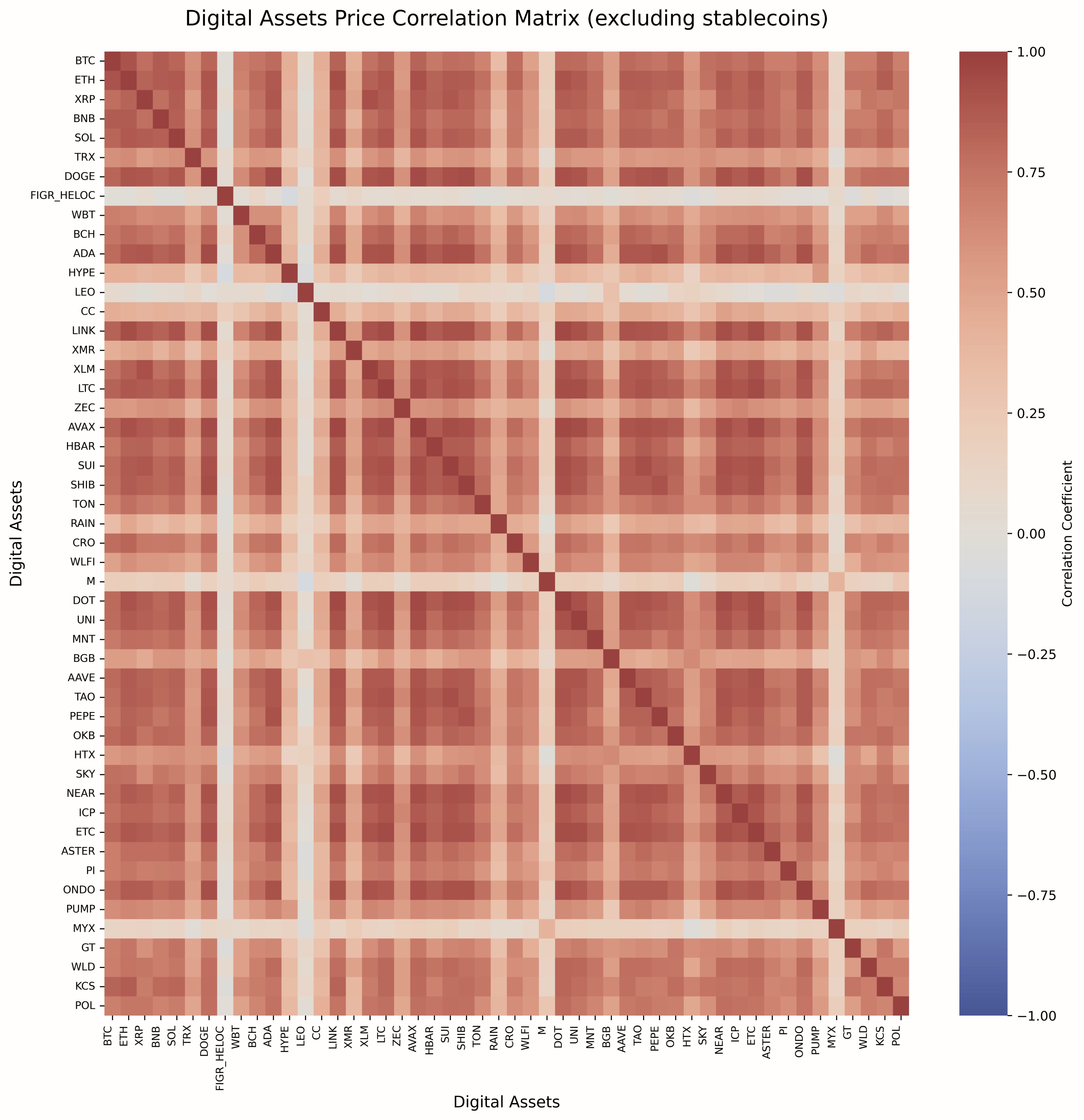
If your portfolio consisted of ten different tokens, this week confirmed what many suspected: diversification in crypto often feels safer, but it’s mostly correlation disguised as variety.
The Structural Problem: Everything Moves Together
This isn't a temporary sentiment issue, it’s structural. DeFi protocols, no matter how innovative, largely share the same fundamental dependencies:
- Lending yields depend on borrowing demand. When deleveraging pressures spike → demand evaporates.
- Trading volume powers fee revenue. When markets freeze → earnings fall.
- Risk appetite determines capital flows. When fear dominates → crypto-native assets get sold together.
- Collateralized lending creates liquidation cascades. When underlying asset prices drop → forced liquidations trigger margin calls and amplify selling pressure across correlated assets.
- Leverage amplifies systemic risk. When high LTV positions face losses → forced deleveraging creates downward spirals that pull all correlated assets down together.
The result? Yields compress precisely when portfolios need them most.
Institutional portfolio managers call this structural correlation; assets move together because they share the same underlying risk factors, not because of short-term sentiment.
What True Non-Correlation Looks Like
OnRe was built to solve this exact problem through tokenized reinsurance, bringing the $800 billion global reinsurance market onchain.
Here's the fundamental difference:
DeFi protocol yields are dependent on crypto market activity. When traders stop trading, liquidity providers stop earning. When deleveraging starts, lending yields shrink.
ONyc yields are dependent on real-world reinsurance premiums, operating in the traditional economy. Hurricanes don't check the bitcoin chart, cyberattacks don't pause during crypto winters, maritime cargo still needs coverage when bitcoin drops to $50k.
This is structural non-correlation: yields generated by an entirely different economic engine.
Proof, Not Promises
Our public transparency dashboard shows exactly how uncorrelated yield performs across different market regimes. With $87.01 million in assets under management backing ONyc across nine active reinsurance deals, historical data tells the story.
Yields ranged from 8% to 31% over the past 8 months, moving independently of crypto market conditions:
- When bitcoin rallied last summer, ONyc yielded 15-18%
- In August, the market corrected, yet yields held at 8-12%
- During Q4 volatility, the pattern repeated: consistent returns
- Recent performance stabilized around 8-10% as the protocol matured
This isn't theoretical. It's transparent and verifiable. View our live transparency dashboard here.
While Others Depegged, ONyc Held
This week's selloff pushed markets into extreme fear. Several stablecoin-adjacent products depegged. Liquidity dried up. Redemption mechanisms failed.
While crypto-native products collapsed under pressure, ONyc held firm because its underlying assets don’t disappear when sentiment shifts.
OnRe's stability mechanisms performed as designed. $4M+ in buybacks executed this week ($3.4M over the past 24 hours alone) to maintain ONyc peg integrity and support secondary market liquidity.
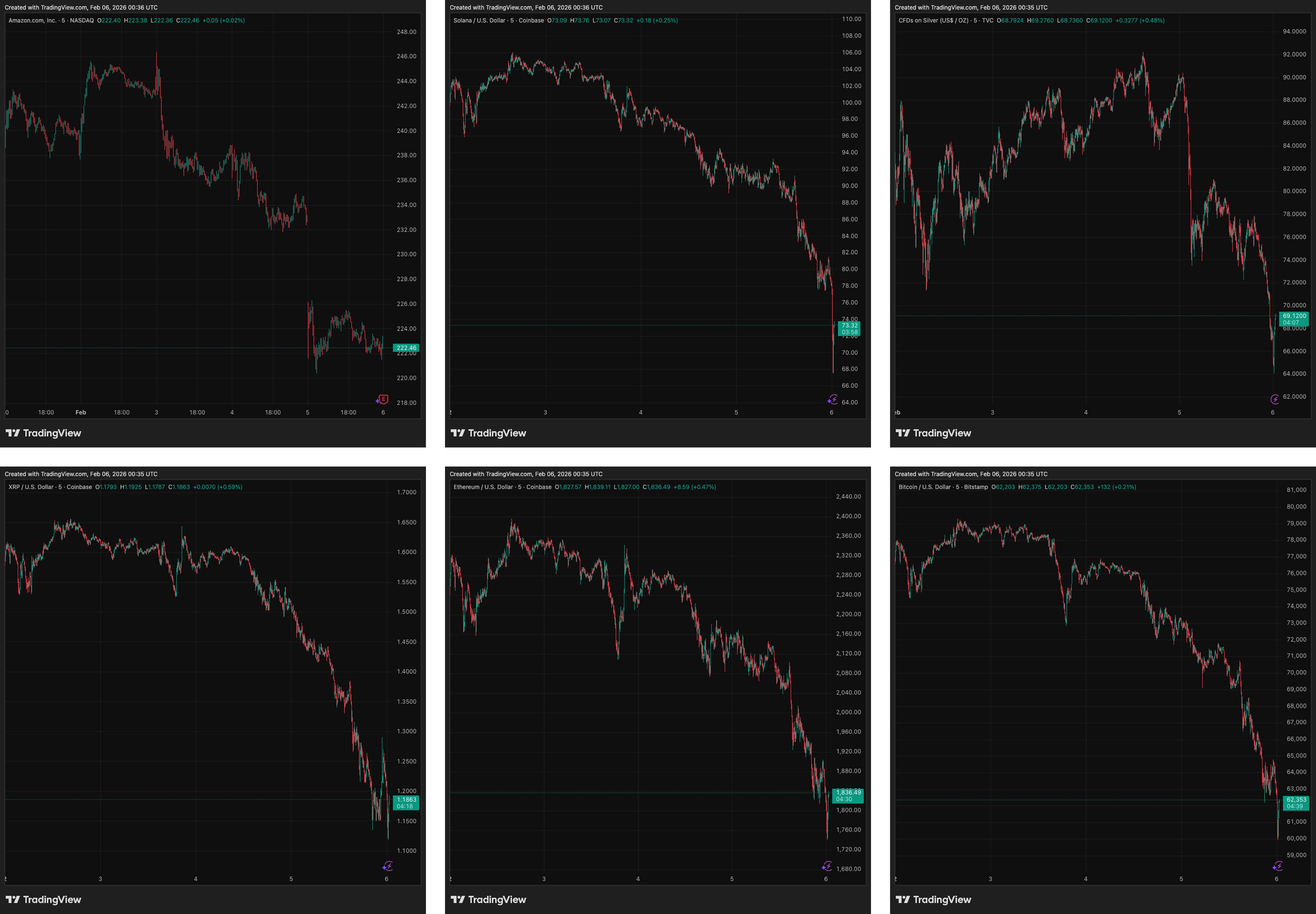
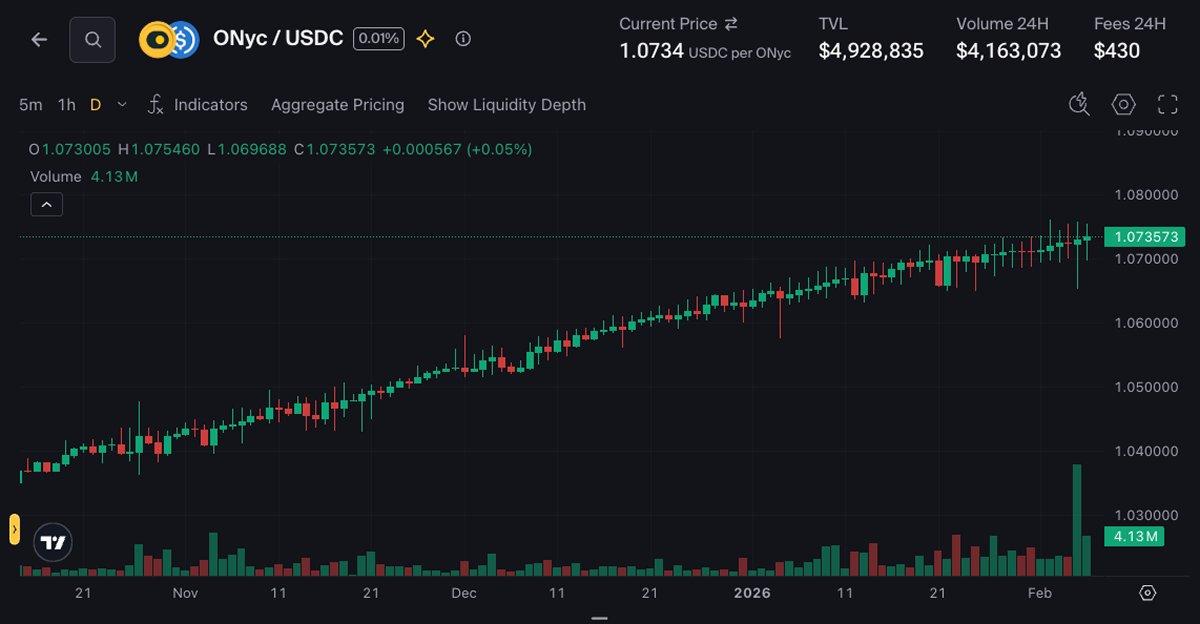
OnRe continues to be one of Solana DeFi’s fastest-growing protocols for one simple reason: real assets with real cash flows don't depend on market sentiment to generate returns.
Buying the Dip with Uncorrelated Collateral
Structural non-correlation isn’t just defensive, it’s tactical.
The Liquidity Problem
Markets crash. You want to buy the dip. But your collateral just dropped 40% alongside everything else. Borrowing power disappears when opportunity appears.
The ONyc Solution
Deposit ONyc as collateral on Kamino, Loopscale, or Carrot, borrow stablecoins, and deploy into discounted assets while continuing to earn yield on your collateral.
Because ONyc's value isn't driven by crypto price movements, your borrowing power remains resilient when other positions are getting liquidated. It functions as a bear market asset and bull market collateral – users can earn above-market yields while accessing liquidity to meet capital needs without forced selling at the bottom.
The Bottom Line
This week wasn't just another correction. It was a stress test that exposed the illusion of diversification in correlated assets.
While others depegged, ONyc held within 10bps of NAV.
While yields shrunk, reinsurance premiums remained contractually obligated.
While markets enter extreme fear, we keep building.
The infrastructure is ready, the solvency is audited, the yields don't depend on crypto sentiment.
Protect your portfolio. Build liquidity for the next opportunity.
.png)